Table of contents
What is Sedation Dentistry?
Sedation dentistry uses dental sedatives to induce feelings of relaxation and calm. The level of sedation is tailored to meet your needs while ensuring you remain safe. You may hear sedation dentistry referred to as sleep dentistry or twilight sleep.
However, with sedation dentistry, you remain awake, although you may feel very sleepy or even fall asleep. We can easily awaken you if we need to check that you are okay or have questions.
Benefits of Sedation Dentistry
Sedation dentistry can provide several benefits, including:
- Reducing the number of treatments that you need, as we can likely complete more procedures during a single visit.
- Making it easier for you to receive the dental care you need or desire, even if you have severe dental fears or other issues that would otherwise prevent you from seeing a dentist.
Types of Sedation We Offer
NYC Dentistry Center offers several levels of sedation, ranging from mild to moderate to deeper sedation. These include:
- Nitrous oxide.
- Oral sedation.
- Intravenous sedation.
Nitrous Oxide
You may know nitrous oxide as laughing gas. It is a sedative that takes effect very quickly, so you will feel more relaxed in just a few minutes.
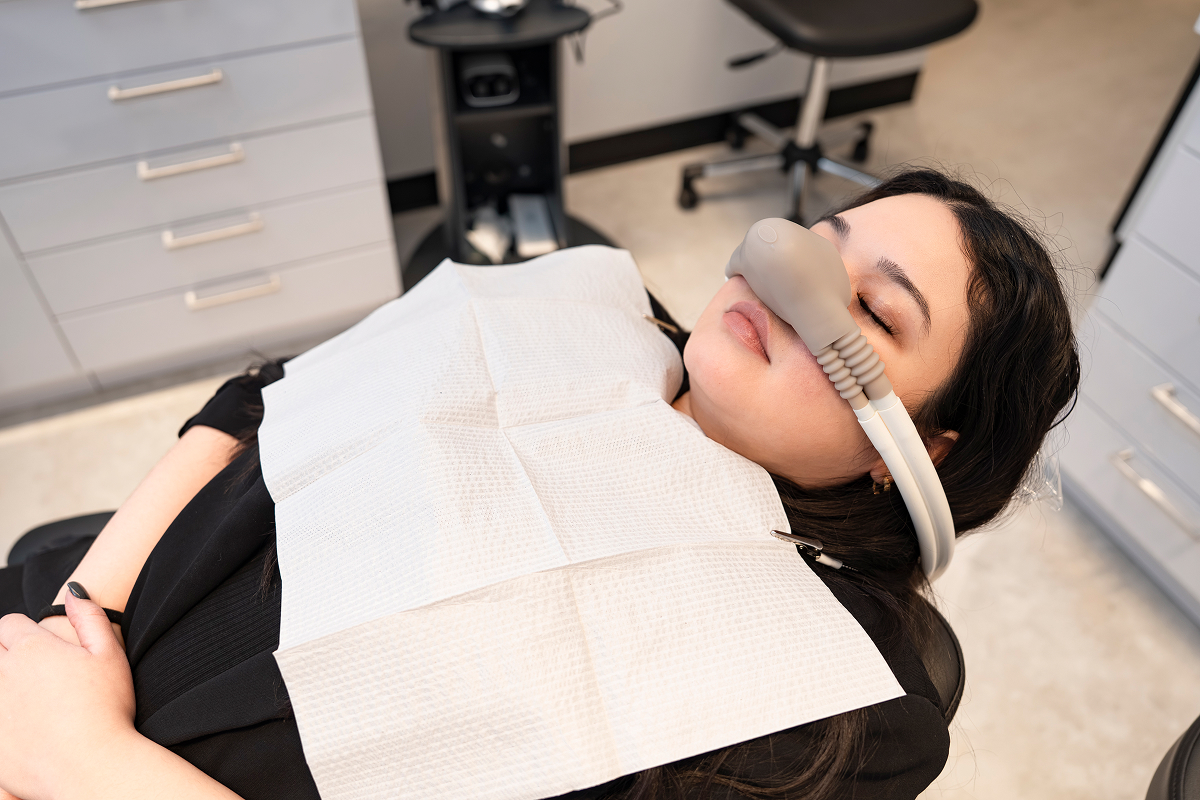
During your treatment, you inhale the nitrous oxide through a mask fitted over your nose. The dosage is continually monitored and adjusted throughout your appointment to ensure you continue feeling comfortable and calm.
Once treatment is complete, we may give you pure oxygen through the mask. This helps eliminate nitrous oxide from your body more quickly, so you can soon return to normal.
Recovery after Nitrous Oxide
Recovery doesn’t take very long, and within 15 to 30 minutes, you should feel back to normal. Afterward, you will be able to drive yourself home if you wish.
Oral Sedation
Oral sedation or oral conscious sedation involves taking a prescribed medication, usually in the form of a pill, approximately an hour before your appointment. If a child needs oral conscious sedation, we may give them a liquid sedative instead that is easier for them to take.
Once oral sedation takes effect, you will likely feel very sleepy. It’s perfectly okay to fall asleep if you wish, as we can easily awaken you if needed.
Recovery after Oral Sedation
You should feel fully recovered within 24 hours, but during this time, you must avoid driving, operating machinery, or making important decisions. It’s best to plan to take it easy, but we can provide you with more information at that time.
Intravenous Sedation
Intravenous sedation, or IV sedation, will induce a state of deep sedation. The sedative is administered intravenously through a vein in your arm or hand, allowing it to enter your bloodstream directly. You will likely fall asleep during this treatment, and when you awaken, you will remember little or nothing about what occurred.
Throughout this procedure, you will be continuously monitored. Our anesthesiologist will check your blood pressure and heart rate and can adjust the dosage as required. It is an excellent option if you need a longer or more complicated dental procedure or have severe dental anxiety.
Recovery after Intravenous Sedation
It will take 24 hours to recover after intravenous sedation fully, and you mustn’t drive during this time. Instead, plan to relax at home until you’re feeling back to normal. We can provide you with more precise instructions during your visit to our practice.
Who Should Consider Sedation Dentistry?
It’s worth considering sedation dentistry if any of the following apply to you, including:
- A strong gag reflex.
- Deep-seated dental fears or anxieties.
- Requiring longer or complicated treatment to restore oral health.
- Having special considerations or needs.
Keeping You Safe during Sedation Dentistry
If you are interested in sedation or sleep dentistry, we will carefully assess your suitability. During this assessment, we consider your dental health, as well as your overall medical health.
It’s essential that we are aware of and understand any medical conditions that may impact sedation dentistry. Sometimes we may need to liaise with other healthcare providers to ensure dental sedation is appropriate for your needs and will not cause any harm.
During your appointment, we will continuously check in with you to ensure you are okay and monitor vital signs, such as your heart rate and blood pressure. Once your treatment is complete, we will keep you with us for a short while to ensure you are okay before sending you home to recover more fully.
There is always a small level of risk involved with dental sedation, but you can rest assured that we take every precaution to minimize these risks.
Preparing for Dental Sedation
Once we have determined which level of sedative is correct for your needs, we can plan your treatment. We may ask that you stop taking certain medications shortly before your procedure.
On the day of treatment, you may need to fast for several hours beforehand, avoiding all food and drink. If you have oral or intravenous sedation, you must have a trusted friend or family member with you to take you home afterward.
What to Expect after Dental Sedation
As the sedative wears off, you may experience some side effects, including:
- Dry mouth.
- Headaches.
- Prolonged drowsiness.
- Nausea and vomiting.
- Bruising from an IV line.
Any side effects should disappear within a day. If they continue, please get in touch with us for further help and advice.
If your child is receiving sedation dentistry then they may experience slightly different side effects, including:
- Snoring.
- Fever.
- Irritability.
- Nausea and vomiting.
These side effects may take longer to subside, but they should disappear within 48 hours. We are especially careful when treating children with sedation dentistry in Midtown East, and you can be assured that we will closely monitor them and ensure the sedative has worn off before you take your child home to recover.
FAQs
-
Can I Have General Anesthesia for Dental Treatment?
It is less usual to use general anesthesia for dental treatment, but there may be certain situations where we recommend this option. These may include treating a very young child, someone with special needs, or anyone with particularly severe dental anxieties and fears.
Usually, general anesthesia is administered in a hospital setting.
-
Can I Receive Sedation Dentistry during Pregnancy?
We may recommend waiting until your baby is born, as it is less advisable to administer sedatives to someone during pregnancy.
NYC Dentistry Center6 E 45th St #801
New York, NY 10017
(45th St. btw 5th Ave / Madison Ave)
(212) 518-6096