
We understand that learning you need oral surgery can be concerning, and we strive to ensure your treatment is as smooth and comfortable as possible. Our kind and compassionate dental team is here to help and care for you throughout the entire process. We have extensive experience in providing a wide range of oral surgical procedures, so your dental care is in good hands.
This guide provides more information about the oral surgery treatments typically offered at NYC Dentistry Center, along with their potential benefits. Gain a brief overview of the treatment process to help you better understand what is involved before your visit.
What Is Oral Surgery?
Oral surgery encompasses a range of procedures designed to enhance oral health and extend beyond the scope of routine dentistry.
You may require the services of dental oral surgeons if you have teeth that are failing and infected, and which require extraction. Oral surgery also addresses problems affecting your gums, such as a severe gum infection.
The treatments we provide include:
Tooth Extractions
Whenever possible, we strive to save natural teeth, but when a tooth is severely abscessed or infected and must be removed, we can extract it painlessly with minimal damage to the surrounding gum and bone.
Wisdom Tooth Removals
The third molars, or wisdom teeth, are the last to erupt. Sometimes, they cannot come through without causing issues; in such cases, we recommend removing them.
Impacted Teeth
Sometimes, teeth become stuck in the jawbone, preventing them from erupting correctly. We can assess them carefully to determine if they can erupt normally or if they require removal.
Osseous/Gum Surgery
Gum infections are a common issue, and we provide advanced periodontal care to remove infection and help restore gum health.
Benefits of Oral Surgery
The benefits of oral surgery can include:
- Fast relief from infection and pain.
- Restoration of the ability to eat and talk comfortably.
- Preparing the mouth for dental restorations or dental implants.
- Improving and stabilizing long-term oral health.
The Oral Surgery Process Step-By-Step
Your oral health is unique, so your treatment is tailored to meet your specific needs. Therefore, the process outlined below serves as a guide; for more information, please refer to the individual web pages for each procedure.
Consultation & Diagnostics
Initially, you will need to visit our dental office for a comprehensive dental exam, during which we can discuss your concerns and treatment goals and review your general health. At this stage, we will determine if you require oral surgery and which procedure is best suited for you.
Digital imaging will likely include a cone beam CT scan, a 3D scan of your jaws and teeth, as well as digital dental X-rays, impressions, and photos. These diagnostic tests are quick, painless, and non-invasive, providing a wealth of useful information about your oral health.
Personalized Surgical Plan
After meeting with you and reviewing your dental and medical health, we can provide a personalized surgical plan that outlines the treatment we believe will help restore your oral health. We encourage questions and allow ample time to discuss this plan with you in detail.
As part of this plan, we will discuss whether you require sedation dentistry. We have a dental anesthesiologist on our team who can provide a range of sedation options tailored to your needs.
Oral Surgery Procedure
Once you have decided on the treatment plan, we can schedule your oral surgery and provide clear instructions on how to prepare. For example, we may require you to stop eating or drinking, or to discontinue certain medications to ensure you are safe and comfortable during treatment.
If you have opted for sedation dentistry, this will be given before we numb your mouth. There is no need to worry, as we will ensure you feel comfortable and relaxed before treatment begins and will regularly check on you during the procedure.
Please remember that you can stop treatment at any stage by raising your hand if you need to take a quick break.
Postoperative Recovery and Aftercare Instructions
Once your procedure is complete, we may keep you with us for a short while, especially if you received sedation dentistry, as we will want to make sure you have recovered and can go home safely to rest and recover.
Our dental team can provide clear, easy-to-follow instructions on how to care for your mouth. We may prescribe antibiotics or an antibacterial mouthwash to help reduce the risk of infection.
Often, over-the-counter painkillers will keep you comfortable, but otherwise, we can prescribe something stronger. We may suggest taking painkillers before the anaesthesia wears off to ensure you remain comfortable while you relax and recover.
Please remember that we are always here to help you. If you have any questions or concerns, please contact our dental surgery, and we will be happy to assist you.
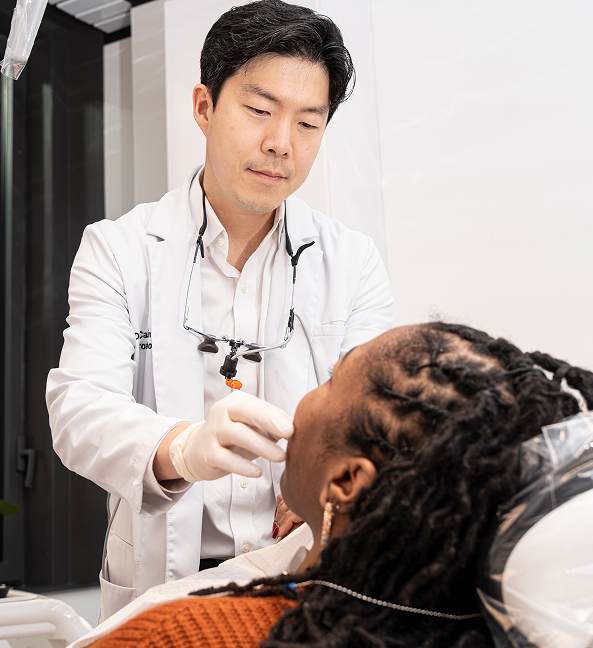
Who Would Need Oral Surgery?
There are several situations when we may recommend oral surgery, which can include:
- Dental abscesses.
- Broken or decaying teeth.
- Impacted teeth.
- Advanced gum disease.
- Loose teeth.
What Our
Patients Say
Our patients’ voices truly speak for us. Here, you’ll find real stories from people who entrusted us with their dental care, sharing what brought them through our doors and how their lives changed after treatment. These honest reflections highlight the confidence, comfort, and transformation our team strives to deliver with every smile.
I had an excellent experience at NYC Dental Implants Center! From the moment I walked in, the staff was welcoming, professional, and attentive. Dr. Navid Rahmani and his team explained every step of my procedure clearly, making me feel completely comfortable and confident.
BZ happy customer
I had an amazing experience.April and the rest of the staff there are really amazing. The visits were overall wonderful. I was informed of my options to rectify my dental issues in a clear manner. Very thankful.
Melissa Colladohappy customer
I needed a specialist that can perform a procedure for multiple dental implants and gum surgery. Dr Rahmani is amazing, his knowledge when it comes to oral health is unmatched. His office is super high tech. I highly recommend him.
Gary Pyatigorsky happy customer
I had my first appointment on Friday for an evaluation. From the moment I arived til the moment I left I had a most wonderful experience. Warm, attentive, caring, intelligent and delightful. I lookforward to the next process.
Jean Worth happy customer
Potential Risks of Oral Surgery
Potential risks can include:
- Numbness that may be temporary or permanent.
- Temporary bleeding.
- Dry socket.
- Injury to adjacent teeth.
- Perforated sinus membrane when treating the upper back teeth.
Any oral surgical procedure has a low level of risk, and we take extensive steps to minimize these as much as possible. This is why we carefully assess your dental and medical health beforehand and utilize advanced techniques and technologies to provide a more comfortable treatment and a predictable outcome. Our team is fully trained in the strictest infection controls to help keep you safe.
FAQ
Is Oral Surgery Painful?
Your surgery should be pain-free, and we strive to ensure you feel as comfortable as possible during treatment. Afterward, you may experience some discomfort during the healing process, but we can provide a prescription for pain relief if needed or offer advice on using over-the-counter pain relief.
How Much Will My Treatment Cost?
The cost is dependent on your oral health needs and whether you require treatment outside of regular hours, for example, if you are currently searching for an emergency oral surgeon near you and have found this page. The price can also depend on whether you require sedation dentistry, and if so, the level of sedation needed to keep you comfortable during the procedure.
When you visit our dental practice, we will provide a comprehensive quotation that includes a detailed breakdown of all costs. Our friendly dental team can explain these costs to you clearly so you understand the overall price.
Will Insurance Cover My Oral Surgery?
It’s highly likely your dental insurance provider will partially or fully cover the costs of your treatment. This is because oral surgery is frequently necessary to restore oral health.
6 E 45th St #801
New York, NY 10017
(45th St. btw 5th Ave / Madison Ave)
(212) 518-6096