Table of contents
What Are Metal Braces?
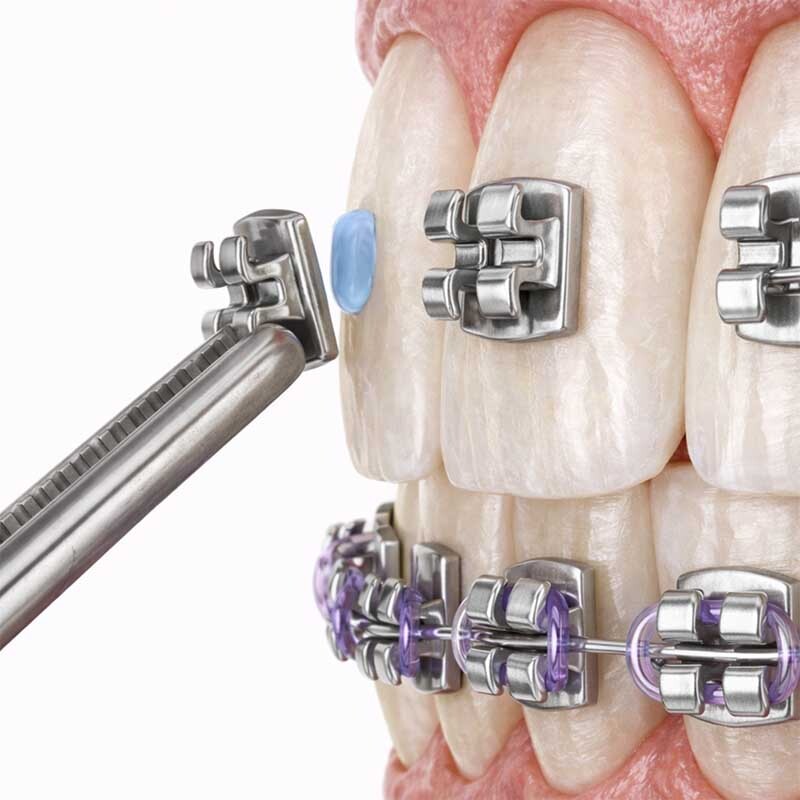
Modern metal braces are a high-precision biomechanical system crafted from high-grade stainless steel or titanium alloys. Beyond the visible hardware, the system works through a series of calculated force delivery points: the brackets act as handles, while the archwire serves as a continuous energy source.
Unlike the bulky “train tracks” of the past, today’s brackets are significantly smaller, with rounded contours designed to minimize friction and soft tissue irritation. The ligatures (elastics) do more than just hold the wire; they allow your orthodontist to adjust the tension levels at every visit, ensuring each tooth moves along a digitally mapped trajectory with medical-grade accuracy.
How do Metal Braces Work?
Metal braces work by applying a specific amount of pressure to misaligned teeth, gradually forcing them to move into the correct position. Both the tooth and the tooth root will eventually move into the proper alignment.
Because metal braces are permanently fitted onto teeth, they are continually working to reposition them.
Who Is a Candidate for Metal Braces?
Anyone wishing to undergo orthodontic treatment needs to have healthy and strong teeth so they can move successfully. Metal braces tend to be more cost-effective than other orthodontic solutions and are frequently used to treat children. Often, children will customize their braces with brightly colored ligatures.
However, we can also provide metal braces for adults who have no concerns about the visibility of the brackets and wires, and are looking for an affordable way to straighten their teeth.
Benefits of Using Metal Braces
Metal braces can provide several benefits, including:
- Treatment is highly effective, especially when more precise or complex tooth movements are needed.
- The braces are strong and durable.
- Results are reliable.
- Treatment is more affordable than other orthodontic options.
Metal Braces Treatment Process Step-By-Step
Treatment is straightforward but will be tailored to your needs. A brief overview of what to expect is below.
Step One: Consultation and Orthodontic Evaluation
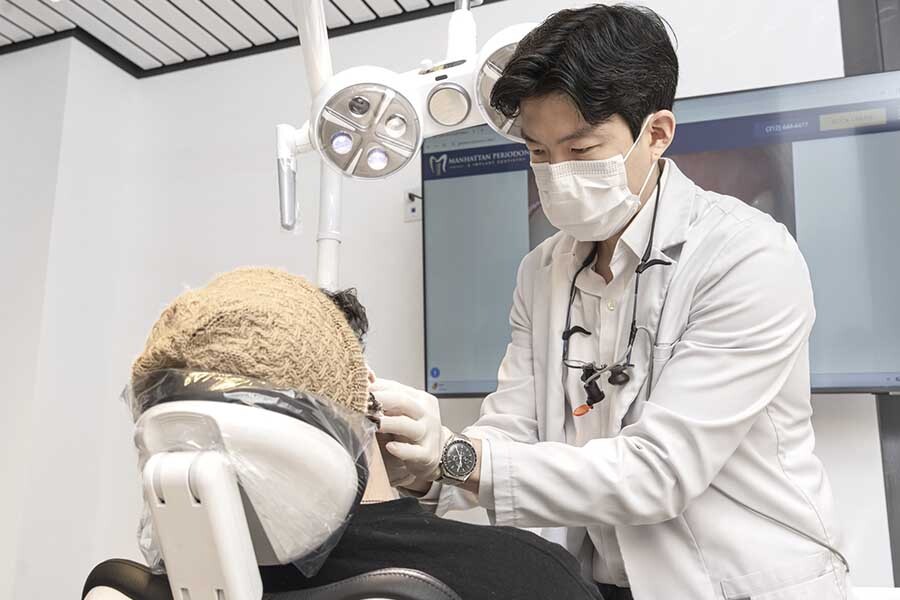
An initial consultation will identify any orthodontic issues that require correction. During this appointment, we assess the position of your teeth, including any that have yet to erupt, and how your teeth bite together. We may conduct diagnostic tests, including digital X-rays and panoramic X-rays, which provide a single image that shows both your upper and lower teeth.
The information enables us to plan your treatment accurately and create a customized treatment plan that we will discuss thoroughly with you.
Step Two: Placing the Brackets and Wires
When your treatment plan is finalized, we can schedule an appointment to fit your braces. Every bracket is individually bonded onto each tooth before we attach it to the wires and ligatures.
Before you leave, we will show you how to keep the brackets and wires clean, demonstrating the right tools such as floss threaders and special brushes. We will also discuss suitable foods to eat during treatment.
Step Three: Regular Adjustment Appointments
Regular checkups are necessary so we can adjust your braces, gradually tightening the wires and ligatures, while ensuring your treatment is progressing as planned. If necessary, we can make any changes needed to provide optimal results.
What to Expect While Wearing Metal Braces
Comfort
Initially, once the braces are fitted, it’s normal to experience some mild discomfort. Using over-the-counter pain relief should be enough to control the discomfort, and as your teeth settle, they will feel more comfortable.
Food Restrictions
There are some food restrictions while wearing metal braces. You will need to avoid anything hard, sticky, or especially crunchy that could damage the brackets or wires, or get stuck around them and be tricky to remove.
Oral Care
It will take longer to clean around your brackets and wires thoroughly, and you should brush and floss after every meal. Maintaining good oral care will help prevent white spots and stains from developing on your teeth and protect you against tooth decay and gum disease.
Metal Braces Versus Other Orthodontic Options
While alternatives like ceramic braces prioritize aesthetics and clear aligners offer removability, traditional metal braces remain the gold standard for complex structural corrections. They are virtually indestructible, making them the superior choice for patients with active lifestyles or those requiring significant jaw realignment.
Unlike clear braces, which rely heavily on patient compliance and 22-hour daily wear, metal braces provide 24/7 active correction. They are also more efficient at performing heavy lifting tasks, such as correcting severe overcrowding, closing large gaps, or managing complex tooth rotations that might be beyond the technical scope of less rigid orthodontic systems.
Ceramic Braces vs Metal Braces
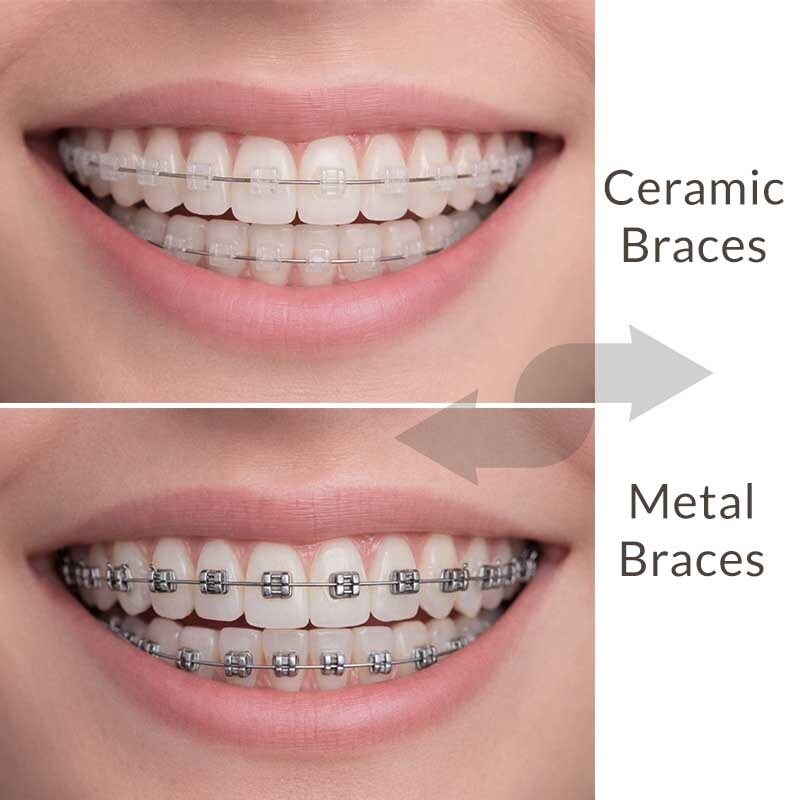
Ceramic braces have brackets made from a durable ceramic material, rather than metal. These can be powered by thin wires that may be tooth coloured.
The overall result is far more discreet than metal braces, but the ceramic brackets are more fragile. Consequently, treatment may be slower to complete, and there is a greater risk of the brackets breaking and requiring replacement. Also, ceramic brackets tend to be more expensive to make.
Clear Braces vs Metal Braces
Clear braces can have brackets made from a durable, clear material, powered by extremely discreet and very thin wires. The result is a virtually invisible brace, but the brackets can be more fragile. Sometimes, ceramic braces are also referred to as clear braces.
Ceramic or clear braces can be self-ligating, eliminating the need for elastics to tighten the wires or hold them in place.
Metal braces effectively correct teeth and bite alignment. Book dentist appointment today at NYC Dentistry Center to start your journey to a healthier, straighter smile.
FAQs
Will Dental Insurance Cover the Cost of Metal Braces?
If your metal braces are necessary to help improve oral health, they will almost certainly be covered by dental insurance.
How Long Will I Need to Wear Braces?
Your treatment time depends on the complexity of the tooth movements required. If treatment is relatively straightforward, it could take a year or less. More complex tooth movements can take up to two years to complete.
Will I Need to Wear Retainers After Treatment?
Yes, retainers are essential after teeth have moved, helping to retain them in their new positions.
6 E 45th St #801
New York, NY 10017
(45th St. btw 5th Ave / Madison Ave)
(212) 518-6096