Table of contents
What Is a Broken Tooth?
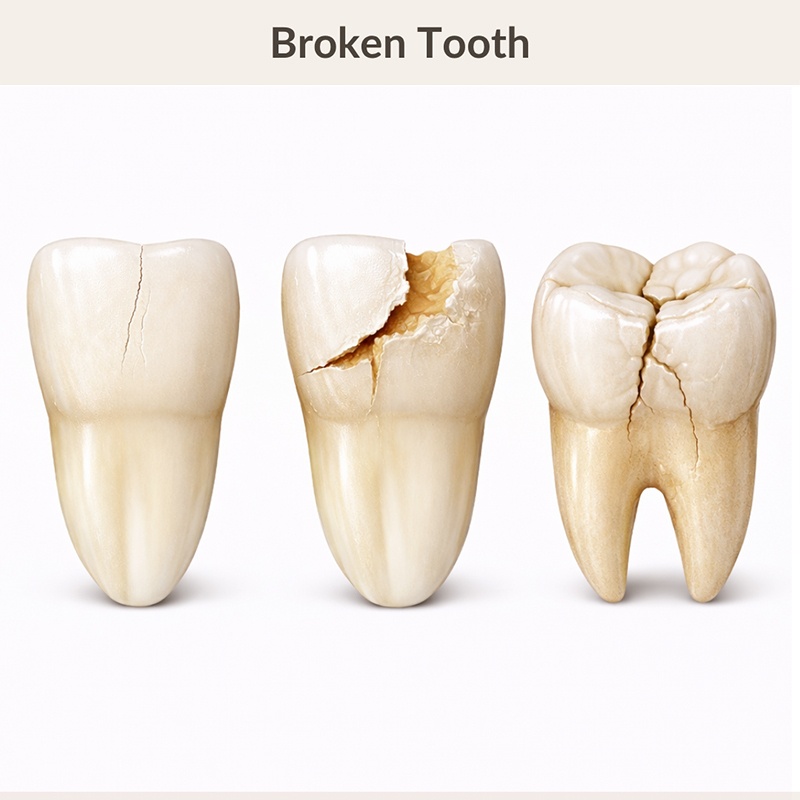
A tooth may become damaged or cracked, and sometimes the damage is relatively minor and will not affect your tooth. However, the damage can be more serious, causing the tooth to split or break into several pieces, requiring urgent dental care.
The most frequent teeth to break are your upper front teeth, often due to some form of trauma. Your lower back teeth, also known as your molars, can become cracked as they come under significant pressure during chewing.
Factors That Can Break Teeth
Various factors can increase the risk of a broken tooth, including:
- Age, as general wear and tear, can mean that teeth become increasingly more fragile and more liable to break.
- Biting into hard foods like popcorn kernels, hard candies, and ice cubes.
- Dental treatments like root canal therapy can weaken teeth, especially if the tooth is protected with a dental crown afterward. A large filling can also weaken the overall tooth structure.
- Teeth grinding and clenching, an issue called bruxism, can wear down teeth so eventually they start cracking and breaking.
- Trauma, if you take a blow to the mouth during sporting activities or in an accident.
Types of Tooth Fractures
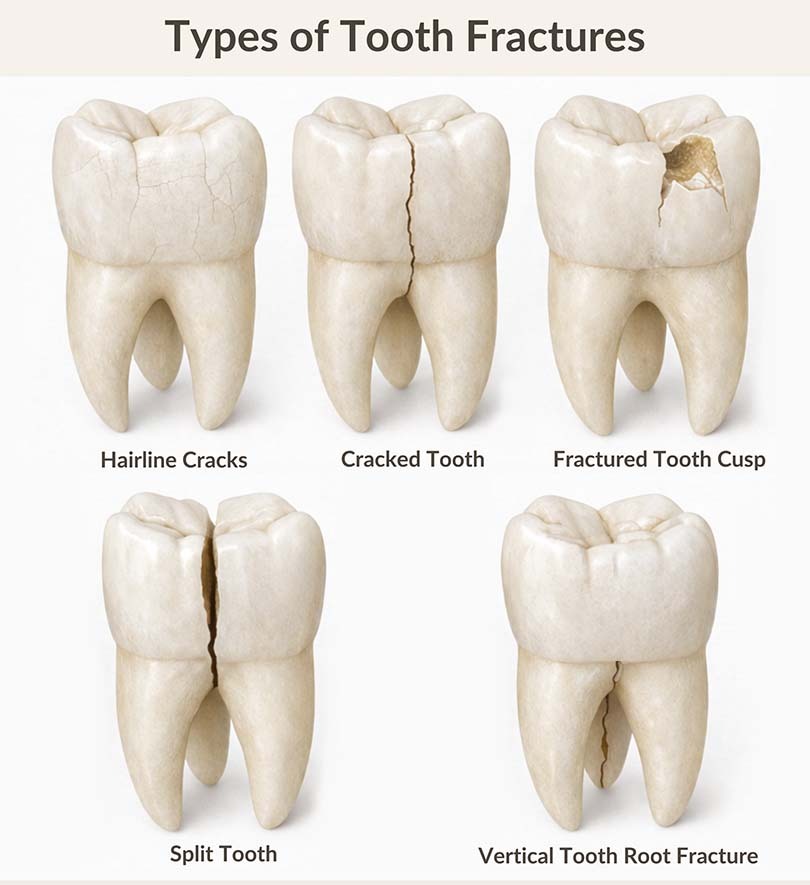
When a tooth becomes fractured, the damage can fall into several categories, including the following.
Hairline Cracks
Hairline cracks or craze lines are the least serious form of a cracked tooth. They only affect the tooth enamel and are painless.
Cracked Tooth
A cracked tooth has a vertical crack extending from the biting or chewing surface of the tooth to the gum line. The crack may continue below the gum line into the tooth root.
Fractured Tooth Cusp
If you have a filling in a back tooth, it can weaken the tooth cusps around it. Consequently, these cusps can fracture or crack. A fractured cusp tends not to be painful.
Split Tooth
A split tooth is more serious, as a severe crack can separate the tooth into two halves and extend below the gum line.
Vertical Tooth Root Fracture
A vertical tooth root fracture occurs when the tooth is cracked below the gum line. Initially, with this type of cracked tooth, pain in NYC may not occur. However, if the crack involves the dental pulp, then the tooth might start to hurt.
When Can a Cracked Tooth Become Serious?
A broken tooth can become a more serious issue if bacteria in your mouth enter it, eventually reaching the dental pulp at its center and causing infection and inflammation.
Without treatment, a broken tooth can progress into an abscess that can spread to the jawbone and to other facial structures. At this stage, it can become a serious issue requiring emergency dental care.
Symptoms of a Broken Tooth
Minor breaks or cracks in teeth can be symptom-free, but if a tooth is more substantially damaged, you may notice some symptoms, including:
- Sensitivity to temperature changes or when eating anything sweet or sour.
- Broken tooth pain when you bite or chew on a tooth.
- Swollen gum tissue around the tooth.
- Bad breath.
If a broken tooth has become more serious and has developed into a dental abscess, then symptoms can include:
- Swollen lymph nodes in the neck.
- Fever.
- Facial swelling.
- Feeling very unwell.
If you experience any of these symptoms, please seek urgent dental care. Delaying could put your overall health at risk as the bacteria that cause a dental abscess can spread to other parts of your body. There is even the risk that a dental abscess can become life-threatening.
Diagnosing a Broken Tooth
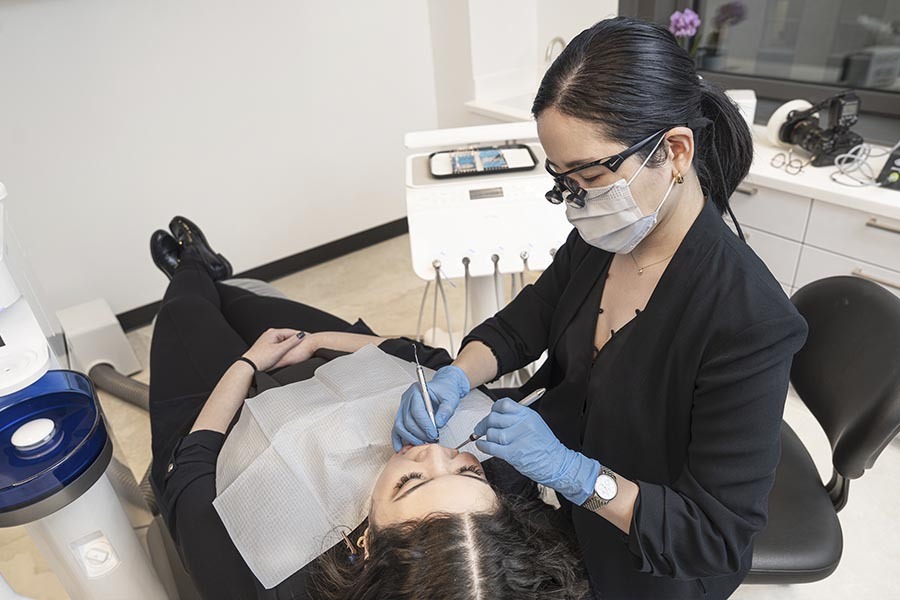
Our dental team at NYC Dentistry Center can soon diagnose if a tooth is broken or cracked, and assess the degree of damage. During your dental exam, we will visually examine the tooth and the surrounding gum for any signs of inflammation.
Digital dental X-rays enable us to see fractures more easily, especially those below the gum line. These images also show any potential bone loss around teeth that can occur if a tooth has a severe fracture.
Treating Broken Teeth
The treatment we recommend will depend on the extent of the damage. These treatments can include:
- Enamel contouring.
- Dental bonding
- Dental veneers.
- Dental crown.
- Root canal therapy.
- Crown lengthening.
- Tooth removal.
Enamel Contouring
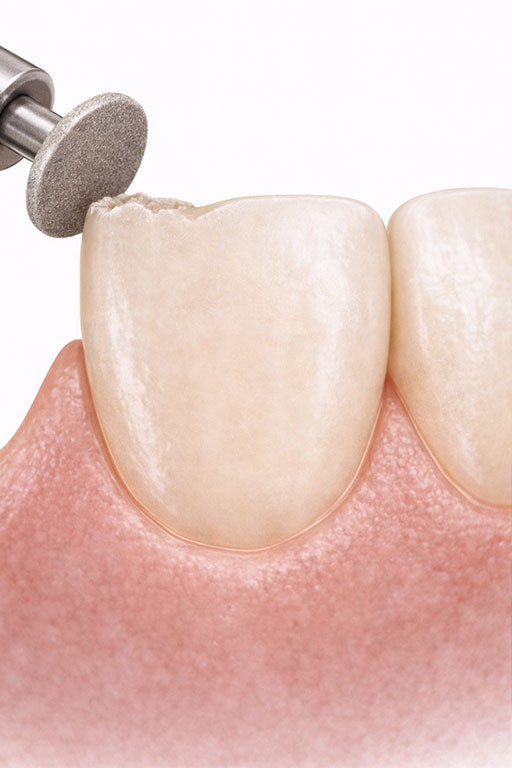
For minor chips or jagged edges that don’t compromise the tooth’s deeper structural integrity, we perform enamel contouring (odontoplasty). This conservative procedure involves gently smoothing and polishing the affected area to eliminate sharp points.
By removing minimal surface enamel, we not only restore a smooth aesthetic but also prevent tongue irritation and mitigate the risk of the fracture propagating further into the tooth structure.
Dental Bonding
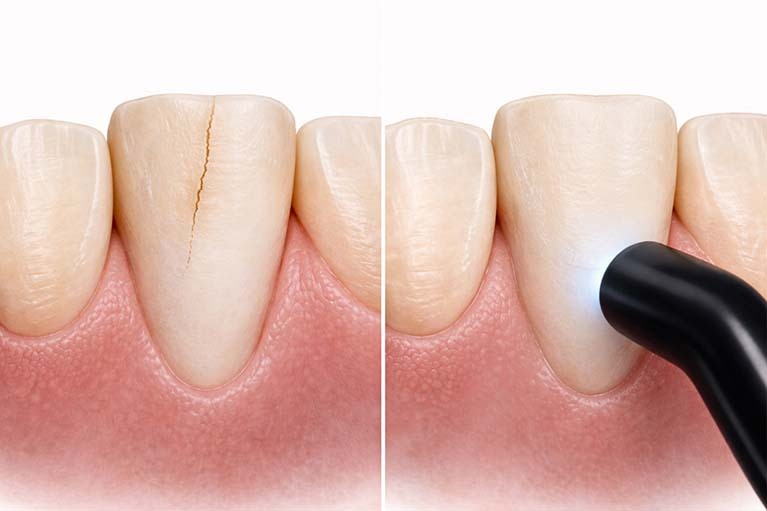
Dental bonding uses tooth colored composite resin to fill in small cracks and chips in teeth. This treatment may also be suitable if you only need a minor crack tooth repair. Treatment is quick, inexpensive, and non-invasive, providing natural-looking results.
Dental Veneers
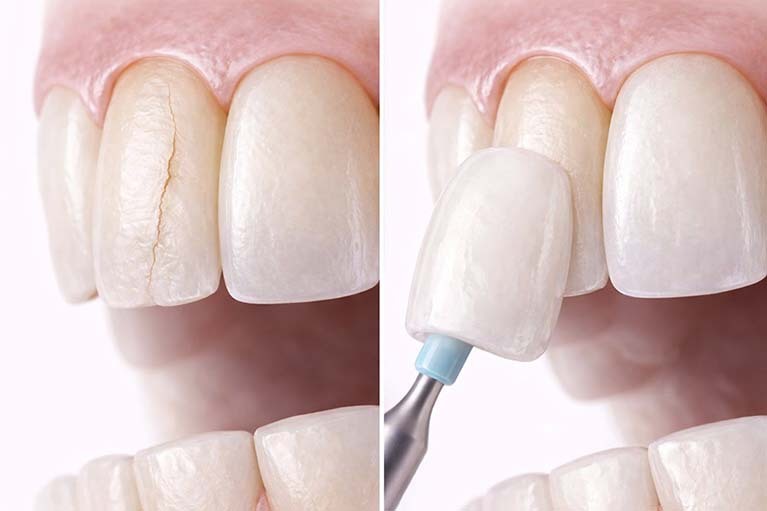
Dental veneers are custom-made to fit over the front surface of the tooth and can be used to mend minor chips or cracks in front teeth. They are made from thin porcelain shells and are strong, durable, stain-resistant, and can look extremely beautiful.
Dental Crown
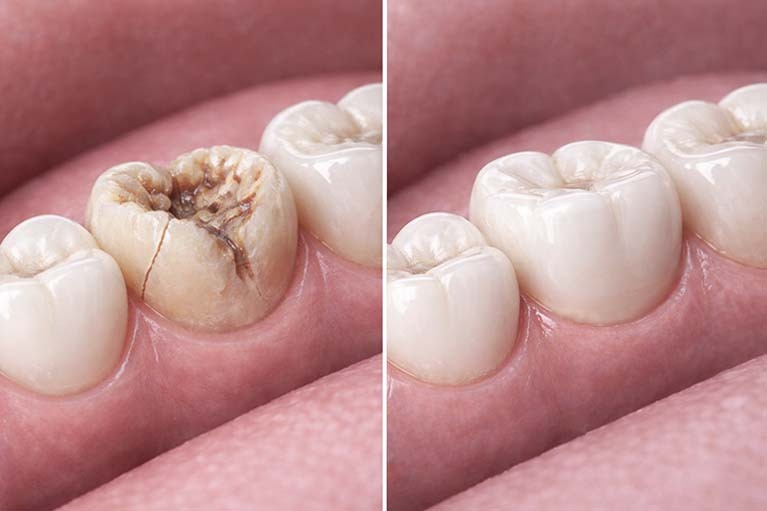
When a fracture compromises a significant portion of the tooth structure, a dental crown is the definitive restorative solution. By fully encasing the remaining natural structure, a crown acts as a protective shield that reinforces the tooth against multi-directional biting forces. This coverage prevents the crack from extending toward the root, restoring the tooth to its full functional strength and structural integrity.
Crown Lengthening
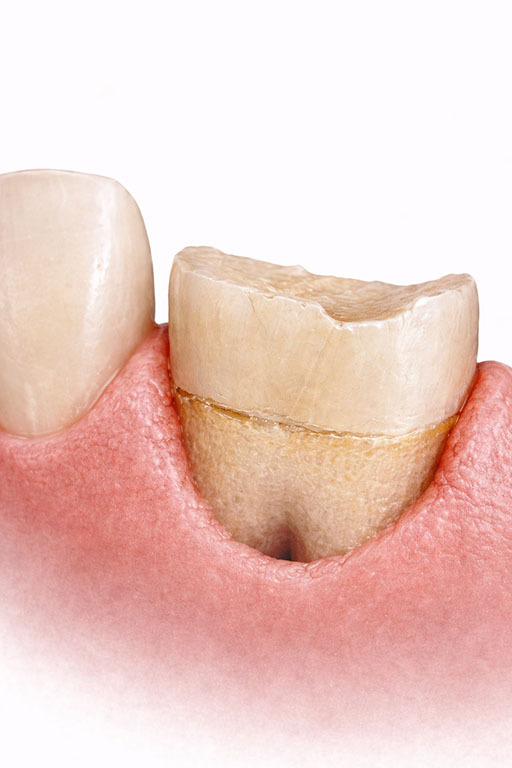
If a tooth has broken off near the gum line, there may not be enough structure visible to restore it with a dental crown. In this case, the crown lengthening treatment can help expose more of the tooth below the gum line, allowing us to place a dental crown successfully and to restore the tooth to full strength and structure.
Root Canal Therapy
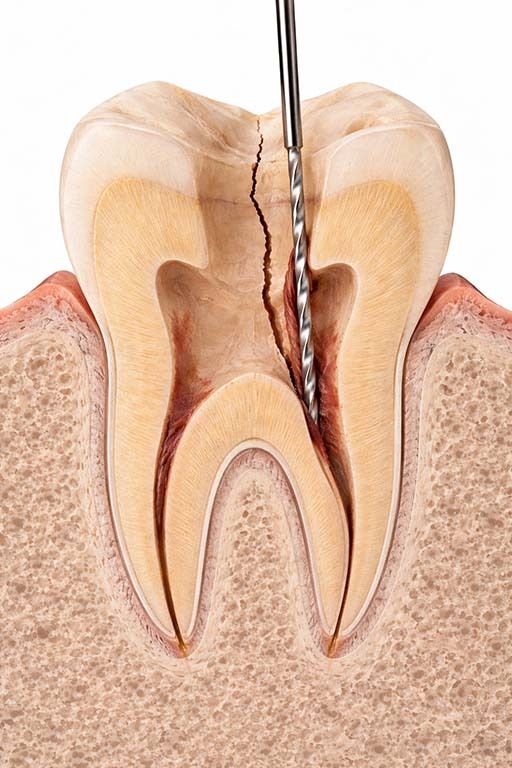
If the damage to a tooth has reached the dental pulp in the center, a root canal is necessary and can relieve broken tooth pain that is caused by severe inflammation and infection.
During treatment, the dental pulp and root canals are removed, and the innermost parts of the tooth are thoroughly cleaned and disinfected before it is permanently sealed. Usually, a crown is needed to protect the tooth afterward.
Tooth Removal
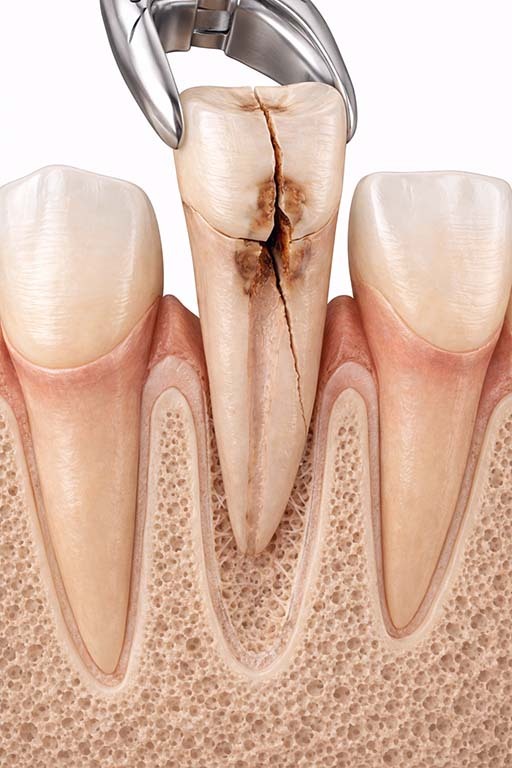
If a tooth is severely cracked, for example, if it is in several pieces and there is damage to the tooth root, we may have no other option but to remove it. You can rest assured that we will explore other treatments for cracked tooth repair before recommending tooth extraction. Before we remove the tooth, we will also discuss how best to replace it.
Preventing Broken Teeth
While accidents are unpredictable, many fractures are the result of chronic structural fatigue. Preventing tooth failure requires a proactive approach: identifying microscopic hairline cracks during routine exams before they become symptomatic, managing underlying issues like jaw misalignment, and addressing enamel erosion caused by acidic diets or reflux.
Practising Good Preventive Dentistry
Please visit us regularly for dental exams and hygiene appointments, where we can inspect the condition of your teeth for any small cracks or fractures. The sooner we can treat these, the more we can reduce the long-term damage to your teeth.
Between visits, keep a close eye on your dental health and ensure you brush and floss regularly. If you notice any small chips and cracks, contact us for help and advice, as getting treatment sooner can be enormously beneficial and help prevent broken tooth pain.
Get a Custom-Made Mouthguard
For patients who suffer from nocturnal bruxism (grinding) or participate in contact sports, we provide custom-fitted mouthguards. Unlike generic “boil-and-bite” store options, our guards are fabricated from precise dental impressions. This ensures optimal shock absorption and uniform distribution of occlusal forces, effectively shielding your teeth and gums from long-term damage and trauma.
Avoid Harmful Oral Habits
Teeth are designed for mastication, not as tools. Mechanical habits, such as biting nails, chewing ice, or using teeth to open packaging, exert extreme, localized pressure that causes micro-fractures (abfraction) in the enamel. Eliminating these behaviors is essential to protect the structural integrity of your teeth and avoid the cumulative damage that leads to sudden fractures.
At NYC Dentistry Center in Midtown East, we offer advanced treatments to restore broken teeth and protect your long-term oral health. Call our office at (212) 518-6096 or visit our dental office to learn more.
NYC Dentistry Center6 E 45th St #801
New York, NY 10017
(45th St. btw 5th Ave / Madison Ave)
(212) 518-6096